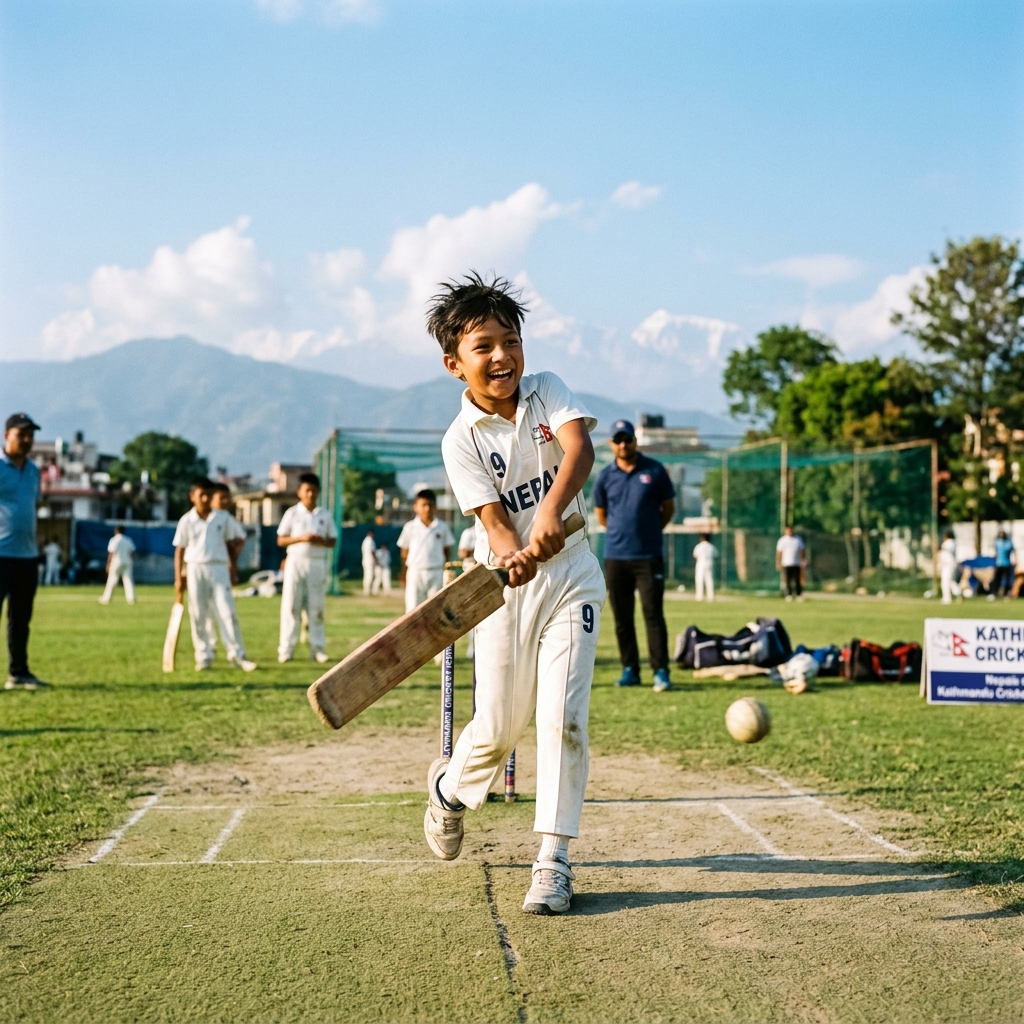
Cricket is a sport that combines skill, strategy, and physical ability — and while there is no single perfect age, research and development programs in youth sport offer useful guidance. Let’s break it down in a way that’s easy to understand, practical, and rooted in real evidence.
Why Age Matters in Sport?
Before talking specifically about cricket, it helps to know what the science says about youth sport in general.
Research on early sports specialization — focusing only on one sport from a young age — shows that it can increase the risk of overuse injuries and burnout in children and adolescents. Playing multiple sports helps young athletes develop a broader range of physical skills and reduces injury risk.
In the context of organized sports participation, experts also emphasize that children develop fundamental motor skills (running, jumping, throwing, catching) gradually, and these fundamental skills are essential before more complex sport specific skills develop.
Ages 5–7: Fun, Physical Literacy, and Play
Children around 5–7 years old are typically still developing physical coordination, balance, and basic motor skills. At this stage:
• Cricket shouldn’t feel like “training”
• Activities should feel like play
• Focus should be on ball familiarization and movement skills
Research in general youth sports suggests that this age is often a good time to be introduced to organized sport because many children have developed enough basic coordination to participate safely and enjoyably.
So if your child shows curiosity about cricket — whether picking up a bat, throwing a ball, or chasing a rolling ball — that’s an excellent opportunity to encourage playful participation without pressure.
Ages 8–12: Skill Development and Structured Learning
This age range is widely seen by coaches and youth programs as a key period when young athletes can begin working on sport specific skills while still emphasizing fun and balanced development.
For example, the England and Wales Cricket Board (ECB) emphasizes age appropriate formats and coaching that allow children to develop their game in a structured but supportive environment. Their junior pathway program is designed so young cricketers “play in games which are best suited to their age and ability,” helping them grow at their own pace.
At this stage, children are usually ready to:
• Learn cricket techniques (batting stance, basic bowling action)
• Understand simple match rules
• Play informal or small sided games This doesn’t mean intense competition — it means structured guidance with enjoyment and development first.
Ages 13 and Up: Focused Training But Still Balanced
Teenagers can absolutely start playing cricket — and many do — but their training often becomes more focused and consistent.
At this age:
• Players can better follow longer coaching sessions
• Techniques and tactical skills can be refined
• Strength and conditioning can be introduced safely
What matters most at this stage is not age alone but consistent, smart coaching and time for recovery. Many professional cricketers start focused training later than childhood and still achieve high levels of performance.
From broader youth sport research (not limited to cricket), early specialization (training only one sport intensively year round) before puberty can be associated with higher injury risk and reduced enjoyment, compared with young athletes who engage in a variety of activities before specializing later.
What This All Means for You and Your Child
Here’s a simple way to think about it:
• ? Age 5–7: Introductory play and fun with cricket like activities
• ⚙️ Age 8–12: Great time to learn fundamentals with coaching
• ?♂️ Age 13+: Still a good time to develop, with a bit more focus and consistency
The most important thing isn’t a strict age — it’s that your child enjoys participating and is physically ready for the activity.
Final Thought
There is no set “magic age” to start cricket — but there are stages when children are naturally more ready to enjoy and learn the sport. Starting in a playful way in early childhood and gradually adding structured skill practice sets the foundation for both enjoyment and potential performance later in life.
At this age:
• Players can better follow longer coaching sessions
• Techniques and tactical skills can be refined
• Strength and conditioning can be introduced safely
What matters most at this stage is not age alone but consistent, smart coaching and time for recovery. Many professional cricketers start focused training later than childhood and still achieve high levels of performance.
From broader youth sport research (not limited to cricket), early specialization (training only one sport intensively year round) before puberty can be associated with higher injury risk and reduced enjoyment, compared with young athletes who engage in a variety of activities before specializing later.
What This All Means for You and Your Child
Here’s a simple way to think about it:
• ? Age 5–7: Introductory play and fun with cricket like activities
• ⚙️ Age 8–12: Great time to learn fundamentals with coaching
• ?♂️ Age 13+: Still a good time to develop, with a bit more focus and consistency
The most important thing isn’t a strict age — it’s that your child enjoys participating and is physically ready for the activity.
Final Thought
There is no set “magic age” to start cricket — but there are stages when children are naturally more ready to enjoy and learn the sport. Starting in a playful way in early childhood and gradually adding structured skill practice sets the foundation for both enjoyment and potential performance later in life.